


Spring is the season of fresh starts. We clear out our closets, deep-clean our kitchens, and promise ourselves that this is the year we finally get organized. But when was the last time you gave your finances the same kind of reset? (I’m not judging, because I’m 100% guilty of this too!)
If you're feeling the squeeze heading into 2026, you're not imagining it. According to the MNP Consumer Debt Index, a staggering 71% of Canadians expect the cost of living to get worse this year. Nearly six in ten believe the overall economy will decline. And 41% of us are within $200 of not being able to cover our monthly bills. Those numbers are heavy.
But here's the encouraging part: almost 60% of Canadians are fighting back by taking proactive steps like revisiting their budgets. That's what this blog is for. Not a lecture, not a list of things you already know you should be doing. This is a practical, week-by-week plan that meets you where you are and helps you build real momentum over 30 days.
Let's get into it!

🍀 Feelin' Lucky? Win Your Pot of Gold!
Before we dive into your 30-day plan, here's a little something to kick off your spring on a high note. From March 9th to the 16th, iCash is giving away three $100 e-gift cards, and the winner gets to pick their prize: a $100 PC e-gift card, a $100 Ultimate Dining e-gift card, or a $100 HomeSense e-gift card.
Entering is easy:
Comment on our giveaway post with your funniest or quirkiest "good luck ritual" (lucky socks? Knocking on wood before every job interview? We want to hear it all.)
Like the post and follow our pages.
Enter your name and email on our giveaway page.
Bonus entry: Tag a friend who brings you luck!
Three winners, three prizes, zero cost to enter. Now that's a lucky break worth taking.
Alright, now let's build your plan.
Week 1: Know Where You Stand (Days 1–7)
Before you can fix anything, you need to see the full picture. This first week is all about getting honest with yourself, with zero judgment. It’s easy to want to internalize frustration and blame yourself, but think of it like turning on the lights in a messy room. Yes, it's a bit uncomfortable. But you can't clean what you can't see, right?
Days 1–2: Track Every Dollar That Comes In
Write down every source of income you receive each month. That includes your paycheque, government benefits like CPP, EI, ODSP, or AISH, child tax credits, side hustle earnings (if applicable), and anything else. If the amount varies month to month, use the lowest amount from the past three months as your baseline. This gives you a realistic, conservative number to work with.
Days 3–5: Track Every Dollar Going Out
This is the part most people skip, and I get it. It’s boring. But unfortunately, it may also be the most important part of any budget planning. Go through your bank statements and credit card bills from the last 30 days.
Group your spending into simple categories: housing, food, transportation, phone and internet, subscriptions, personal spending, and debt payments. If you want a free tool to help, Goodbudget and Fudget are simple, Canadian-friendly apps that don't require linking your bank account. If you’re like me and prefer something a little more old school, a pen and paper, or a basic spreadsheet, work just as well.
Days 6–7: Find Your Gap (or Your Surplus)
Subtract your total expenses from your total income. If the result is positive, great! That's money you can redirect toward savings or paying down debt. If it's negative, don't panic. You now have clarity, and that puts you ahead of most people. The MNP data shows the average Canadian has about $907 left over at the end of the month, but that's an average. Your number is yours, and it's the only one that matters.
Quick tip: Pay special attention to subscriptions. A 2025 study found that the average Canadian spends over $100 per month on streaming services, apps, and memberships they barely use. Those are the easiest wins.
Week 2: Cut the Leaks and Set Your Priorities (Days 8–14)
Now that you know where your money is actually going, it's time to start making intentional choices and possibly cutting things. Don’t worry, I’m not about to tell you to stop buying your daily coffee treats (unless you actually want to do that). It's really about deciding what matters most and directing your money there on purpose.
Days 8–9: The Subscription Audit
Go through your bank statement and highlight every recurring charge. Streaming services, gym memberships you haven't used since January, apps with free trials that auto-renewed, and cloud storage you forgot about. Cancel anything you haven't used in the past 30 days. You can always resubscribe later. For the ones you keep, ask yourself: Is there a cheaper tier or a family plan I could split with someone?
Days 10–11: Tackle Your Biggest Expense First
For most Canadians, housing and food eat up the largest share of the budget. You probably can't change your rent overnight, but there are things within your control. The Canada Food Price Report forecasts grocery prices will rise another 4–6% in 2026, adding nearly $1,000 to a family's annual food bill.
But there are strategies to deal with grocery inflation. Consider meal planning for just one week. Batch-cooking soups, stews, and casseroles. Shopping with a list and sticking to it. Buying store-brand staples instead of name brands. These might not sound like they’re really big changes, but you’d be surprised how they add up fast.
Days 12–14: The "Needs vs. Wants" Conversation
This doesn't mean cutting every want from your life. That's not sustainable, and the point of budgeting isn’t to deprive yourself of the small things in life that give you joy. The goal is awareness. Try this simple framework for the rest of the month: before any non-essential purchase, wait 24 hours. If you still want it and can afford it after sleeping on it, go for it. You'd be surprised how many impulse purchases simply disappear with a single night's pause.
Week 3: Build Your Safety Net (Days 15–21)
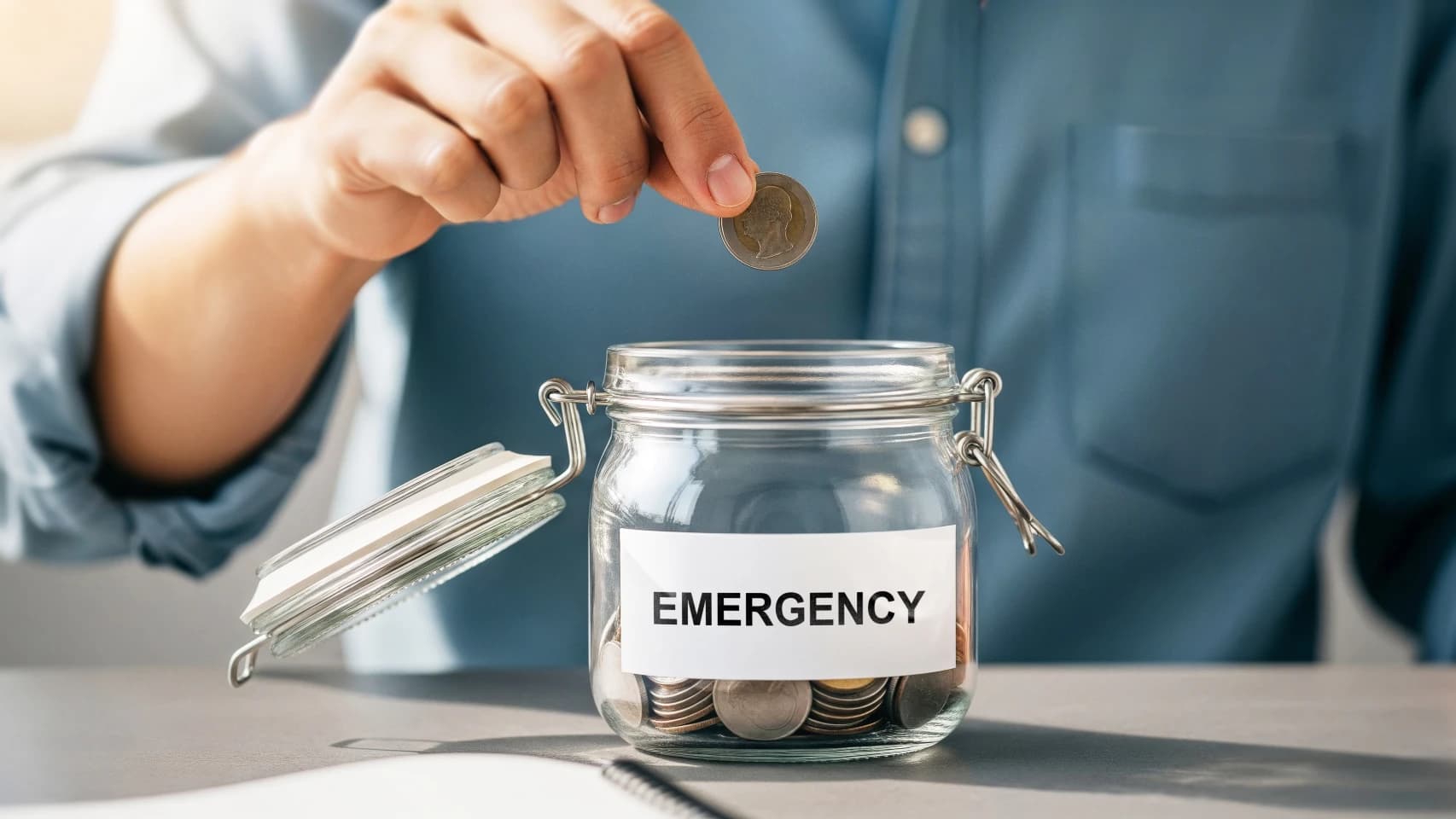
Here's a stat that might surprise you: according to recent financial data, 53% of Canadians have zero emergency savings. None. That means more than half of us are one flat tire, one broken furnace, or one unexpected vet bill away from a financial crisis. There are ways to change that, even if they’re small changes.
Days 15–16: Set a Micro-Savings Goal
Forget the advice that says you need three to six months of expenses saved up. That's a great long-term target, but right now, the goal is to just start doing the thing.
Can you set aside $25 this week? Even just $10? Open a free savings account if you don't have one separate from your chequing account. The psychological power of having any buffer is real. It changes how you make decisions.
Days 17–18: Automate It (If Possible)
The single most effective savings strategy is automation. Set up an automatic transfer from your chequing account to your savings account on payday. Even $20 per paycheque adds up to over $500 in a year. You adapt to the "missing" money faster than you'd expect, and the savings grow without you having to think about it.
Days 19–21: Know Your Emergency Options
Even with the best planning, emergencies happen. That's (unfortunately) just life. It's worth understanding what options are available to you before a crisis hits, so you're not scrambling in a panic.
Research what community resources exist in your area, including provincial emergency assistance programs, food banks, utility payment deferrals, and short-term lending options from licensed lenders like iCash that can bridge a temporary gap. Having a plan for the unexpected doesn't mean you're expecting to fail. It means you're just prepared if something happens.
Week 4: Build the Habits That Stick (Days 22–30)
This is where a lot of "30-day challenges" fall apart. But if you’ve made it this far, you’re nearly at the point where all of this will start to feel natural to you. The final week is about making these changes feel less like effort and more like routine.
Days 22–24: Schedule a Check-In
Pick a day of the week, maybe Sunday evening or Monday morning, and spend 10–15 minutes reviewing your finances. That's it. Check your account balances, review what you spent in the past week, and look at what's coming up. Bills due, insurance renewals, and annual subscriptions about to be charged. This tiny habit prevents surprises from snowballing.
Days 25–27: Find Your Free Wins
Spring is the perfect time to take advantage of free activities and resources across Canada. Parks Canada just announced the Canada Strong Pass will be back from June 19 to September 7, 2026, offering free admission to national parks and historic sites starting this summer.
Many provinces offer free museum nights, community events, and library programming all spring long. Entertainment doesn't have to cost money, and finding free alternatives for activities you'd normally spend on is one of the most painless ways to keep your budget healthy.
Days 28–30: Set Your Next 90-Day Target
If you’ve made it to this point, that's something to be genuinely proud of. Now, it’s time to keep looking ahead.
What's one financial goal you want to hit by summer? It could be paying off a specific debt, building your emergency fund to $500, or just keeping your spending within your budget for three months straight. Whatever it is, write it down somewhere you'll see it. Research from the Dominican University of California found that people who write down their goals are 42% more likely to achieve them.
Your 30-Day Spring Financial Reset at a Glance
Here's a quick-reference summary you can bookmark or screenshot:
Week | Theme | Key Actions to Take |
Week 1 (days 1 to 7) | Know Where You Stand | Track all income and expenses, find your gap |
Week 2 (Days 8 to 14) | Cut the Leaks | Audit subscriptions, meal plan, 24-hour rule |
Week 3 (Days 15 to 21) | Build Your Safety Net | Start micro-savings, automate transfers, and research emergency options |
Week 4 (Days 22 to 30) | Make It Stick | Weekly check-ins, find free activities, set a 90-day goal |
What If You Fall Behind? (Spoiler: That's Okay)
Let's be realistic. Life doesn't pause because you're doing a financial reset. The car might break down in Week 2. An unexpected expense might wipe out the $25 you just saved in Week 3. That's not failure. That's just regular life.
The whole point of this plan is to build good habits. It’s not about being perfect. If you miss a day or a whole week, pick up where you left off. Progress in anything in life isn't always linear, and the fact that you're even reading this puts you ahead.
Don't Leave Your Finances to Luck
There's an old saying that luck is what happens when preparation meets opportunity. This spring, you're doing the preparation part. You're looking at the numbers, making a plan, and taking small steps that add up.
And hey, if you want to test your actual luck while you're at it? iCash is running our "Feelin' Lucky? Win Your Pot of Gold!" giveaway from March 9–16, with three chances to win a $100 e-gift card of your choice. It's free to enter! Just head to our giveaway page, tell us your quirkiest good luck ritual, and you're in.
But remember: real financial confidence doesn't come from four-leaf clovers. It comes from the kind of small, steady work you're committing to right now.
You've got this.